More Than the Title: The Person Behind the Work
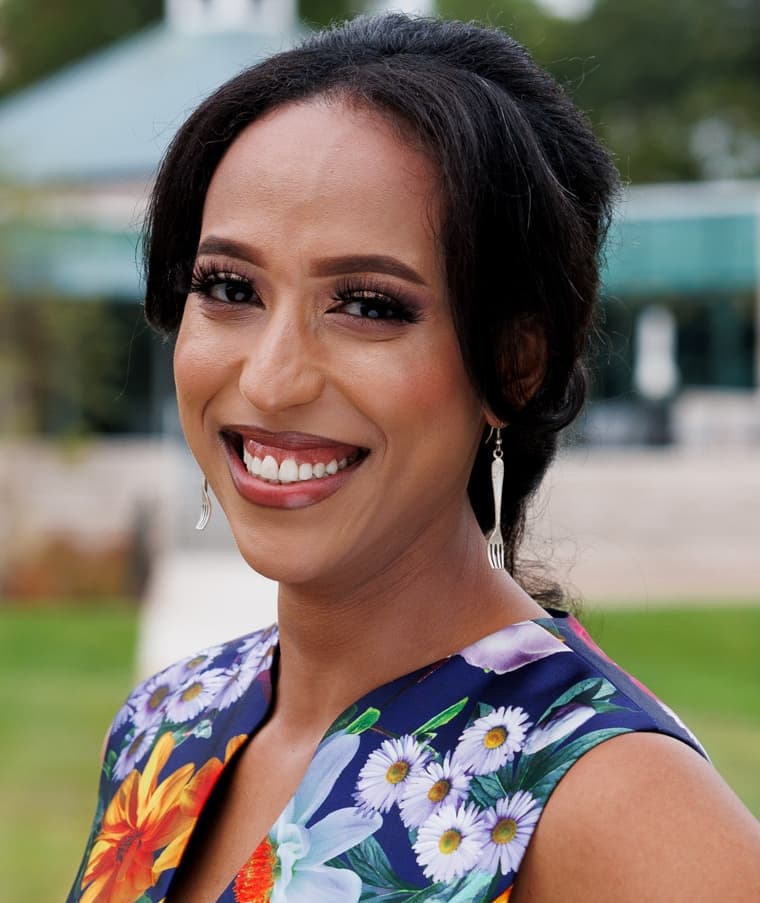
Betelihem B. Tobo, PhD, MPH—known publicly as Dr. Bettie—is an Ethiopian American epidemiologist, educator, research strategist, daughter-caregiver, and founder of FANOS Enterprises.
“the heart of a social worker, the skills of an epidemiologist, and the goals of a decisionmaker.”
Dr. Bettie brings a unique convergence to every room she enters: the analytical discipline of a doctoral-trained epidemiologist, the relational empathy of a social worker, and the pragmatic accountability of an institutional decision-maker.
Her career is not defined by chasing abstract citations, but by a relentless focus on human dignity: asking whether research findings, surveillance systems, and clinical workflows actually alleviate suffering for everyday families.
The Experiences Behind the Work
From lantern light during civil conflict in Ethiopia to public health surveillance across metropolitan wards.
Born by Lantern Light
Dr. Bettie was born during civil war in Ethiopia, delivered by the quiet, steady glow of a kerosene lantern. That modest flame did not erase the surrounding night; it gave just enough light to take the next necessary step safely. Today, that origin remains an enduring anchor for her work: illuminating clear pathways when complex systems leave families in the dark.
Growing Across Cultures
Arriving in the United States at age eight through the Diversity Visa program, she learned early to navigate disparate cultural worlds. Growing across cultures shaped how she observes systems, poverty, opportunity, and the extraordinary resilience of community care—refusing to reduce human lives to detached institutional categories.
The Postpartum Mother’s Story
During early postpartum research, a conversation with a new mother permanently altered the way Dr. Bettie understood quantitative data. She realized that behind a single statistical data point can lie poverty, violence, survival, maternal terror, and profound hope. Data could show that something had happened; only the human story could explain what it felt like and what was needed to intervene in time.
Almost 20 Years of Family Caregiving
For almost two decades, Dr. Bettie has served as primary healthcare coordinator, navigator, and advocate alongside her mother through acute hospitalizations, stroke rehabilitation, and chronic care. This lived reality is not a clinical credential, but an indispensable foundation of caregiver knowledge—revealing exactly where hospital handoffs fail, where medical jargon isolates, and how clinical arrogance damages dignity.
“What do the data show?”
“What will help people understand this sooner and act more safely?”
Statistical precision without human accessibility is an incomplete task. Dr. Bettie’s career represents an intentional evolution: from asking what the numbers document to building systems, stories, and tools that help patients, caregivers, and clinicians recognize risk early and protect life.
Almost 20 Years as a Family Caregiver
For almost twenty years, Dr. Bettie has served as primary healthcare coordinator, navigator, and advocate alongside her mother. Navigating post-stroke rehabilitation, medication access, insurance barriers, and acute emergency room handoffs exposed how deeply clinical systems can dehumanize and exhaust families.
This lived reality anchors her public health work in profound humility: reminding her that every data point in an electronic health record represents a terrified family member, an exhausted caregiver, or a person hoping to be heard.
- ✓Discharge instructions must be written for exhausted humans.
- ✓Second opinions are an ethical patient right, not an insult to clinicians.
- ✓Caregivers are essential safety infrastructure, not casual visitors.
Education & Foundations
Grounded in social-justice-centered public health training and rigorous biological sciences.
Public Health Studies, Epidemiology • Saint Louis University
Cancer epidemiology, population surveillance, advanced biostatistical methods, and disparities research.
Epidemiology • Saint Louis University
Quantitative epidemiological methodologies, community health assessment, and research ethics.
Biology (Concentration in Psychology) • The College of William & Mary
Basic biological sciences, behavioral neuroscience, and human psychological processes.
What She Believes
Guiding principles that anchor every epidemiological protocol, classroom lecture, and community dialogue.
“Healthcare should feel more like home.”
Safe, understandable, respectful, and responsive to the whole person—never an intimidating bureaucracy that strips away patient agency.
“Caregiving is real work.”
Family caregivers carry the uncounted, exhausting weight of healthcare systems. Equipping and protecting them is fundamental to patient safety.
“Stories reveal context data can hide.”
Science helps test what we think we see. Storytelling helps us understand what the pattern felt like in an actual human life.
“Communities already hold wisdom.”
Public health professionals are not saviors bringing truth to the uninformed; we are partners who listen, translate evidence, and support self-determination.
“Service should reduce people’s burden.”
Every research pipeline, digital tool, and policy recommendation must actively diminish the cognitive and physical friction families endure.
Leadership Philosophy
How Dr. Bettie leads, mentors, builds teams, and navigates complex institutional politics.
“We will never win by bullying the bullies.”
“The way we create change matters.”
Cruelty and combativeness reproduce the very systemic injuries we seek to repair. Lasting public health reform requires fierce integrity, radical psychological safety, and quiet moral clarity.
Radical Dignity
Treating every student, clinician, research participant, and patient as inherently worthy of deep respect.
Curiosity Over Judgment
Asking why a system or person behaves the way they do before assigning blame or prescribing quick fixes.
Service & Humility
Leading by lifting others, sharing institutional credit generously, and centering community benefit over prestige.
Clear Expectations & Safety
Fostering rigorous psychological safety paired with transparent, high-integrity accountability.
Failing Forward
Treating unexpected analytical outcomes or programmatic hurdles as invaluable diagnostic information.
Developing People
Investing deeply in learners and emerging researchers, helping them discover their unique intellectual agency.
Healthy Boundaries & Well-Being
Modeling sustainable service without martyrdom, honoring personal rest, and rejecting organizational exploitation.
Professional Chapters
From foundational basic sciences and municipal surveillance to academic medical leadership and social enterprise.
Select a chapter to explore what was built and learned.
Graduate Researcher & Epidemiologist in Training
Early Research & Foundations
Built grounding in biostatistical rigor, population surveillance, and epidemiological methods while anchoring in social justice.
- Master of Public Health (MPH) and PhD training focused on cancer epidemiology and quantitative methodologies.
- Recognized early that standard data collection often obscures the very lived realities most critical for intervention.
- Developed a passion for translating statistical findings into actionable community insights.
What Keeps Her Grounded
Outside of research pipelines and epidemiological modeling, Dr. Bettie’s life is grounded in family, quiet contemplation, deep personal faith, joy, movement, and the art of storytelling across generations. She treasures unhurried conversations with elders, the rhythm of walking, and finding beauty in ordinary moments.
Faith and family ground her worldview—informing how she mentors learners and stewards institutional responsibility.
LET’S BUILD SOMETHING USEFUL TOGETHER.
Available for funded research collaborations, institutional data strategy, invited lectures, and community health translation.
Start a Collaborative Dialogue